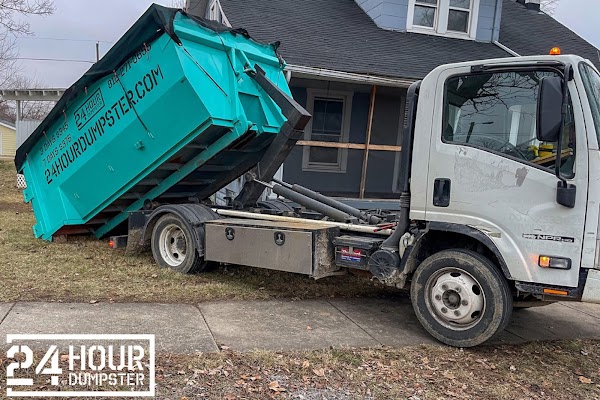
The success of any project frequently relies on efficient waste management from the start. No matter if your project involves remodeling, cleaning, or construction, waste can build up rapidly and become overwhelming. At 24 Hour Dumpster, we understand that choosing the right dumpster and using it effectively can make a significant difference in project efficiency. Using a smart strategy makes managing waste streamlined and hassle-free.
Dumpster rentals are more than just placing a container on site. They require thoughtful planning, proper usage, and an understanding of how waste flows throughout a project. We’ve seen that adopting simple strategies can streamline projects, boost safety, and keep work areas orderly. Following these guidelines ensures you get the best results from your rental.
Assessing Your Project’s Waste Requirements
One of the most important steps in renting a dumpster is understanding the type of waste your project will generate. Different projects produce different kinds of debris, and having clarity early helps ensure smoother cleanup. 24 Hour Dumpster recommends assessing the materials, volume, and timing of waste production. This awareness helps create a more organized disposal plan.
Clearly outlining waste requirements makes debris management smoother and more effective. Structured planning helps avoid overfilled dumpsters, scattered debris, and workflow disruptions. With a clear system, workers can operate safely and efficiently. Proper planning supports productivity and keeps cleanup efforts aligned with project goals.
Strategically Positioning Your Dumpster
Where a dumpster is placed can significantly impact how efficiently it is used. A well-planned location allows the team to dispose of waste without hassle. 24 Hour Dumpster recommends choosing a spot that is both safe and easily accessible. Easy access prevents wasted time and keeps work moving smoothly.
Thoughtful placement also helps maintain a clean environment around the work area. When dumpsters are easily accessible, debris is less likely to be left scattered around the site. A clean site boosts safety and efficiency. A well-placed dumpster becomes a natural part of the project workflow rather than an obstacle.
Keeping the Dumpster Organized
Organization inside the dumpster is just as important as organization on the worksite. Randomly tossing debris can lead to inefficient use of space and unnecessary complications. 24 Hour Dumpster suggests organizing waste strategically to keep the dumpster functional. Structured placement prevents overfilling and maintains usability.
An orderly dumpster contributes to safer and faster debris handling. Careful stacking prevents items from sliding or spilling. Workers enjoy a safer and more efficient waste management routine. Maintaining order inside the dumpster improves workflow and reduces hassle.
Ensuring a Safe, Tidy Project Site
A clean worksite is essential for maintaining safety and productivity. Debris left outside the dumpster can create hazards and slow down progress. 24 Hour Dumpster emphasizes the importance of consistent waste disposal to keep the site orderly. Frequent disposal keeps areas clear and reduces hazards.
A well-organized site enhances focus and overall project flow. Teams are able to focus on tasks without navigating cluttered spaces. Maintaining order fosters teamwork and reduces delays. Using dumpsters wisely for continual waste removal strengthens productivity and team morale.
Using the Dumpster Throughout the Project
Many projects fail when the dumpster is only used at the end rather than an ongoing solution. 24 Hour Dumpster encourages continuous use of the dumpster throughout the project lifecycle. Frequent waste removal avoids clutter and maintains a safe, organized site. Consistent usage supports a steady pace of progress.
When waste is handled consistently, teams experience fewer interruptions and delays. The project stays organized from start to finish. This proactive approach reduces stress and improves overall efficiency. Using the dumpster as an integral part of daily operations leads to better outcomes.
Sharing Dumpster Instructions With Your Crew
Clear communication plays a major role in effective dumpster use. Everyone involved in the project should understand how and when to use the dumpster. 24 Hour Dumpster recommends establishing simple guidelines to ensure consistent waste disposal practices. Defined guidelines reduce mistakes and mismanagement.
When teams are aligned on disposal practices, cleanup becomes second nature. Proper handling keeps the site tidy and operational. Effective guidance motivates team members and builds cohesion. Proper guidance ensures that the dumpster supports productivity rather than becoming a point of frustration.
Promoting Eco-Friendly Waste Management
Proper handling of debris is a key part of project planning. 24 Hour Dumpster advocates for green waste management strategies. Central collection points streamline responsible handling. This approach helps reduce unnecessary waste and supports sustainable project management.
Environmentally responsible disposal also reflects read more professionalism and care. Projects benefit from cleaner processes and improved organization. Responsible practices contribute to a safer worksite and a more efficient cleanup experience. Thoughtful waste management supports both project success and environmental awareness.
Expert Tips for Efficient Dumpster Use
24 Hour Dumpster shares actionable tips for better dumpster use. Careful preparation, proper positioning, and routine use make cleanup simpler. Following these practices ensures efficiency, organization, and a safer environment.
Following these practical tips helps crews stay productive and organized. Coordinated practices, clear guidelines, and sustainable waste management enhance outcomes. 24 Hour Dumpster remains committed to helping clients manage waste effectively through reliable guidance and professional support.